Time travel
10th century BC
Small kingdoms consolidate in the vacuum: a Hebrew kingdom under David and Solomon by tradition, Zhou China at its ritual height, and Levantine port cities beginning to carry their script wherever they trade.
Mental Worlds: Evidence and Inference
After two centuries of contraction, this one is comparatively quiet, which is itself worth noticing: quiet is what recovery looks like before anyone can describe it as recovery. No empire on the scale of Egypt's New Kingdom or Assyria's later reach exists anywhere in this century. What exists instead is a set of smaller, consolidating polities, each working out a durable order at a scale collapse-era conditions can actually support.
The clearest case, and also the most contested, is the kingdom later tradition remembers as David's and then Solomon's, a Hebrew state said to unite the highland territory between Egypt and Mesopotamia and to build a temple at Jerusalem with Phoenician cedar and craftsmanship, in the same pattern Wenamun's account shows Byblos supplying a century earlier. Archaeology of this period is genuinely divided: some scholars find evidence of a substantial state at this date, others argue the material remains support only a much smaller highland chiefdom, with the grander united monarchy largely a later literary construction. No contemporary Israelite text survives to settle the question from the inside; everything known about this kingdom, if it existed at the scale later claimed, comes from archaeology and from writing composed centuries afterward.
In China, the Zhou dynasty is at what later Confucian tradition will remember as its high ritual order: land and office granted by the king to related lords, recorded on cast bronze vessels used in ancestor sacrifice, an administrative system built on kinship and loyalty rather than direct rule. Poets and court collectors this century are beginning to assemble the material that becomes the Shijing, hymns and folk songs eventually gathered into what Confucian tradition will treat, many centuries later, as a foundational text, though nothing resembling that later reverence exists yet. It is simply songs, some ritual, some domestic, being sung and occasionally written down.
Babylon and Assyria, both still working through the long tail of the Bronze Age collapse, produce no notable military or literary achievement this century that survives; Babylonian scholarly circles keep compiling omen literature, extending series like Shumma Alu and the early stages of what becomes Mul.Apin, work that is steady rather than innovative. Egypt remains divided between Tanis in the north and a priest-governed Thebes in the south, a state administering itself rather than projecting power abroad.
The century's real, if invisible, significance sits on the Levantine coast. Byblos, Tyre, and Sidon are extending trade networks and shipbuilding skill that, within the following two centuries, will carry the alphabet these cities use for their own accounts across the Mediterranean and into Greek hands, though nothing in this century itself signals that transmission is coming. A literate person in Tyre in this century knows an efficient way to write Phoenician for a ledger or an inscription; they have no way of knowing that the same small set of signs is about to become the ancestor of nearly every alphabet the following three thousand years will use.
The political map
Major Polities and Cultural Regions
- Kingdom of David and Solomon By tradition a unified Hebrew kingdom spanning the highland corridor from Dan to Beersheba; archaeologically contested at this scale
- Western Zhou Yellow River valley under a network of royally invested lords, at its ritual and territorial height
- Egypt Twenty-First Dynasty, divided between Tanis and Thebes, its regional influence still diminished
- Assyria Contracted and largely inactive abroad through most of this century
- Phoenician city-states Byblos, Tyre, and Sidon expanding coastal trade networks along the eastern Mediterranean, as the Yehimilk inscription at Byblos attests
Borders are approximate scholarly reconstructions from historical-basemaps (GPL-3).
State of the domains
Texts and Written Culture
In China, Zhou court poets and folk collectors begin assembling the poems that become the Shijing, the Book of Songs, spanning hymns, court odes, and folk verse across the Western Zhou; a parallel tradition starts gathering material that becomes the Shujing, the Book of Documents, though its final form is centuries away and later chapters are outright forgeries. In the Levant, the Ahiram sarcophagus inscription, among the earliest substantial texts in the Phoenician alphabet, may belong to this century, though its date is contested by a couple of centuries either way. In Israel, no text can be dated this early with confidence; any hymns later gathered into the Psalms and attributed to David survive only through centuries of later transmission.
Art
Zhou bronze casting continues at a high technical level in this century, vessels used in ancestor sacrifice whose later, more rigid grading by rank into fixed sumptuary sets is a development modern scholarship places mostly in the centuries just after this one, not yet fully in place here. Levantine cities produce increasingly accomplished ivory carving and metalwork for both local and Egyptian markets. Tradition credits a temple built at Jerusalem under Solomon with monumental Phoenician-assisted construction, cedar imported from Tyre in the pattern Wenamun's account already shows a century earlier; archaeology of the period is debated and cannot confirm the building's scale independent of the later biblical account. Egyptian art continues on established templates through a fragmented, weakened state.
Medicine
No medical text can be securely dated to this century from any tradition. Babylonian and Egyptian healing practice, both attested on either side of this gap, almost certainly continues without major theoretical change, still centered on ritual and herbal treatment of illness understood as intrusion by hostile forces. Nothing in the surviving record suggests any tradition anywhere in this century has moved toward explaining disease by natural rather than personal or divine cause, and the silence itself is unremarkable given how thinly this period is documented across every civilization the corpus otherwise tracks in more detail before and after it.
Science
Babylonian scholars continue compiling the omen series that organize this millennium's approach to the future: Shumma Alu reads the behavior of the everyday world and city for portent, Shumma Izbu reads birth deformities in animals and humans, and Mul.Apin begins organizing stellar and planetary observation into lists still generations from the mathematical astronomy later centuries will develop. None of this constitutes science in a modern sense; all of it treats the world as a text written by the gods for those able to read the signs. No comparable compilation is attested from Egypt, the Aegean, India, or China this century, though observational astronomy for calendar purposes almost certainly continues in each.
Military
Tradition holds that a unified Hebrew kingdom under David and then Solomon controls the highland corridor between Egypt and Mesopotamia during this century, a claim archaeology can neither fully confirm nor refute at the scale later biblical narrative describes. Assyria and Babylon both remain militarily weak, absorbed in internal contraction rather than campaigning abroad. Zhou China, having taken the Shang heartland the previous century, spends this one consolidating control through a network of related lords holding land under royal grant, a system that depends on loyalty rather than direct administration and will eventually prove the dynasty's long-term weakness. No major imperial campaign on the scale of the following centuries' Assyrian wars is attested anywhere.
Technology
Iron working continues spreading and gradually cheapening across the Near East and eastern Mediterranean, though bronze remains dominant for fine work and prestige objects. Phoenician shipbuilding and navigation improve as coastal trade networks lengthen, laying groundwork for the colonization that will follow in coming centuries. Zhou China's rammed-earth city walls, chariot technology, and bronze casting all continue Shang-era craft with little visible innovation, a dynasty administering through inherited technique rather than developing new methods. No technological development this century compares in significance to the alphabet's slow, still-localized spread along the Levantine coast, a spread whose consequences remain invisible from inside the century itself.
Material world
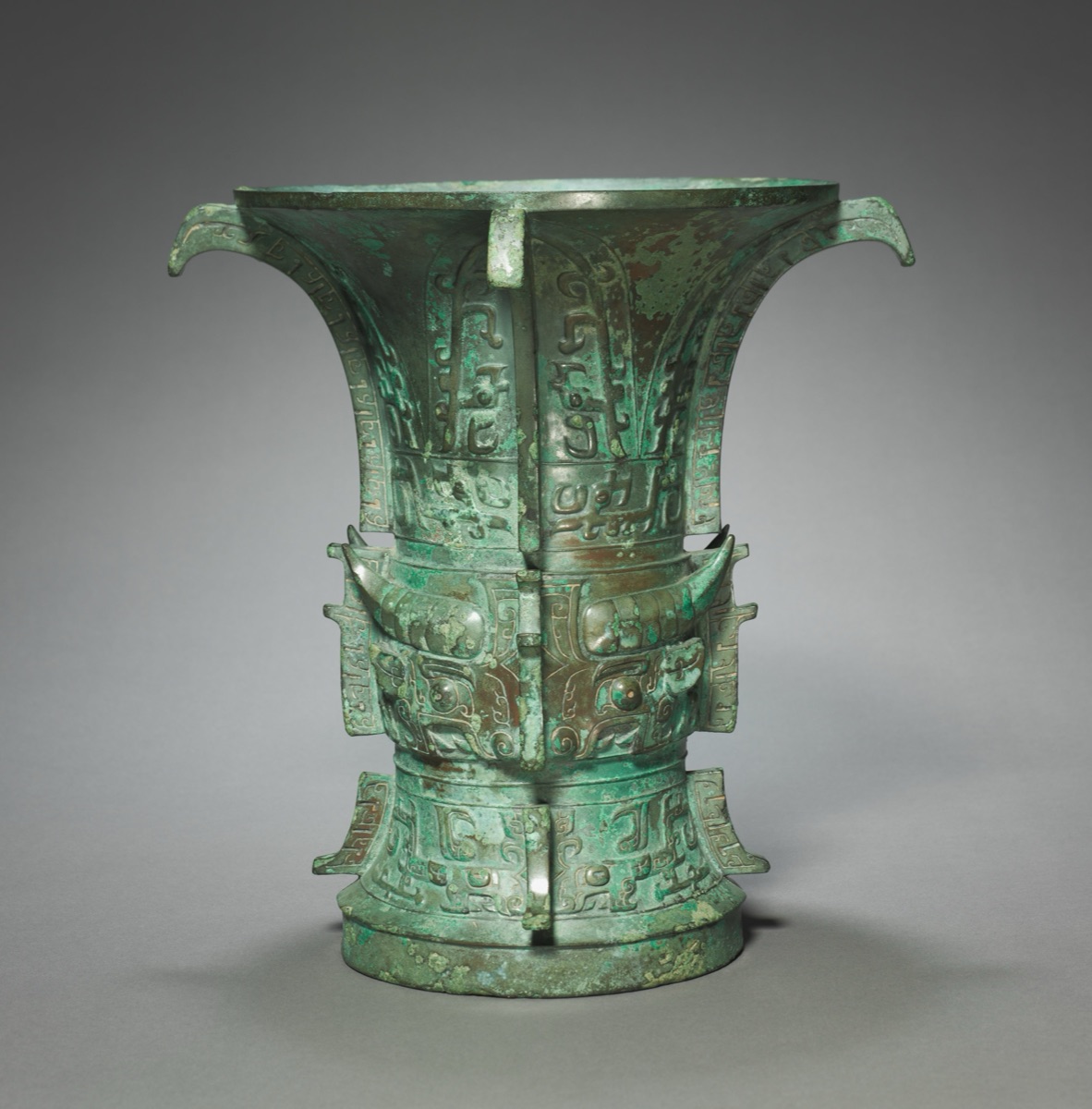
Wine Vessel (Zun)
A cast bronze wine vessel from the first generations of Zhou rule, after the dynasty's conquest of Shang in 1046 BC.
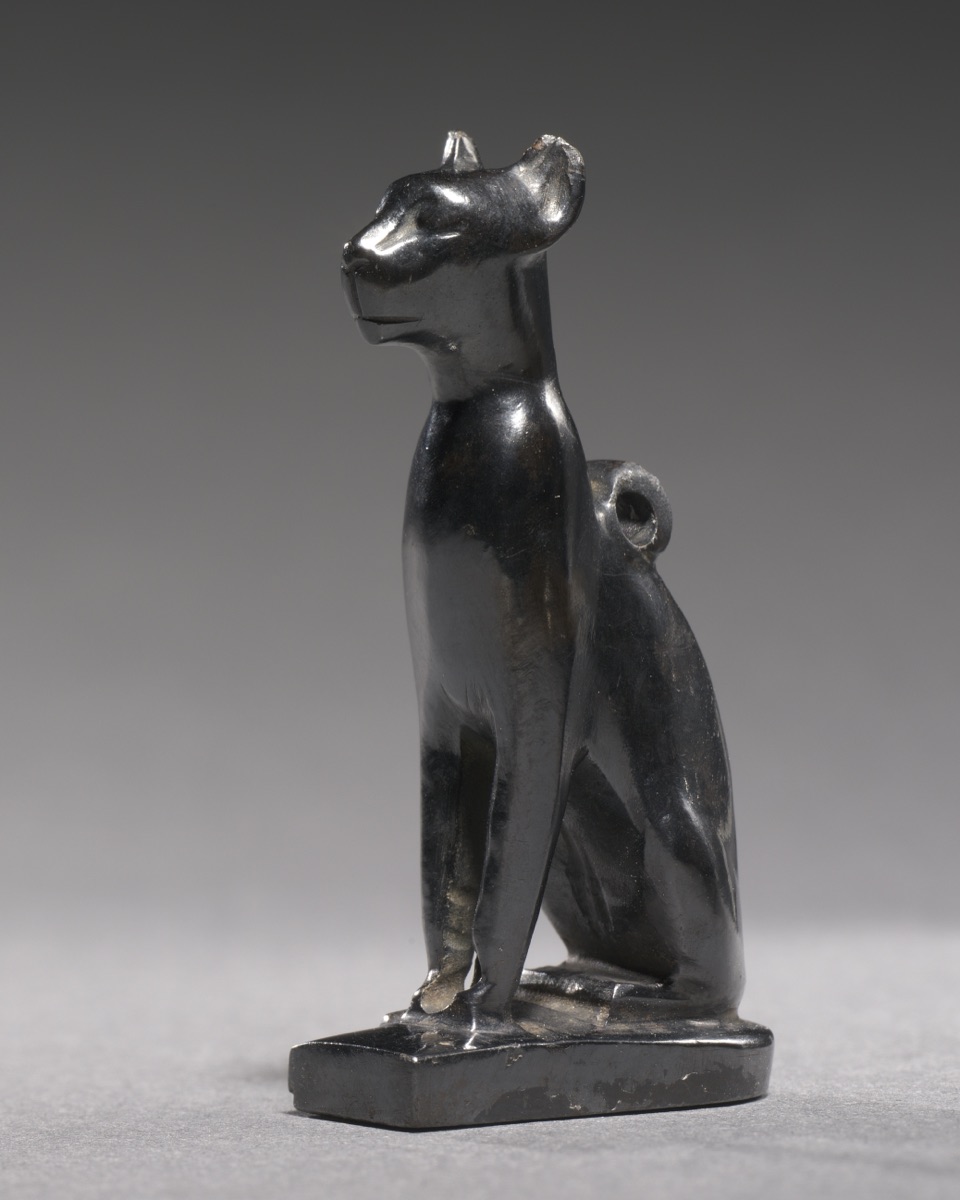
Amulet of Bastet
A carved hematite amulet of the cat goddess Bastet, protective jewelry from a period when Egypt's priesthood at Thebes rivaled its kings.
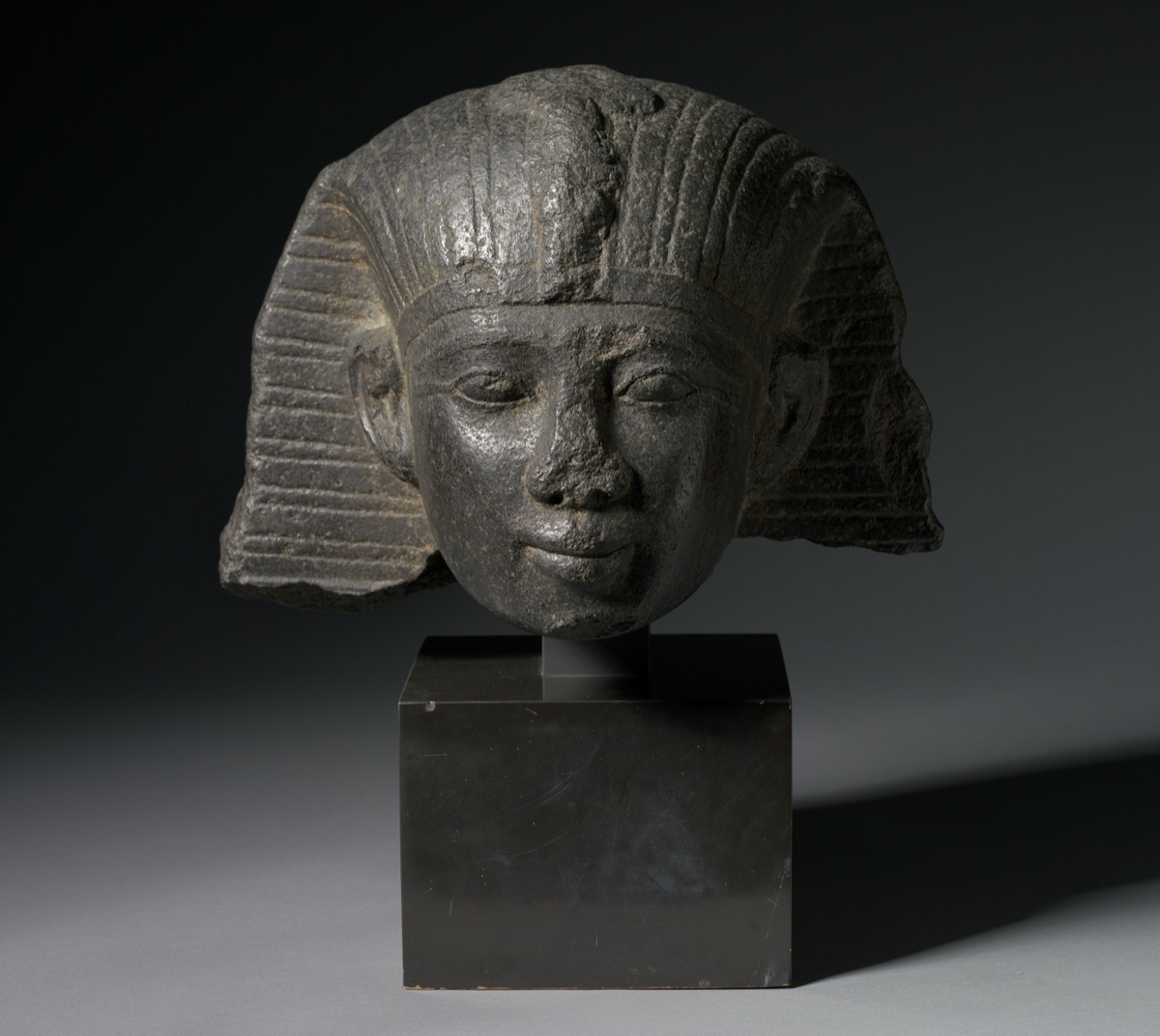
Head of a King
A sculpted royal head from Egypt's fractured Third Intermediate Period, when no single dynasty controlled the whole Nile valley.
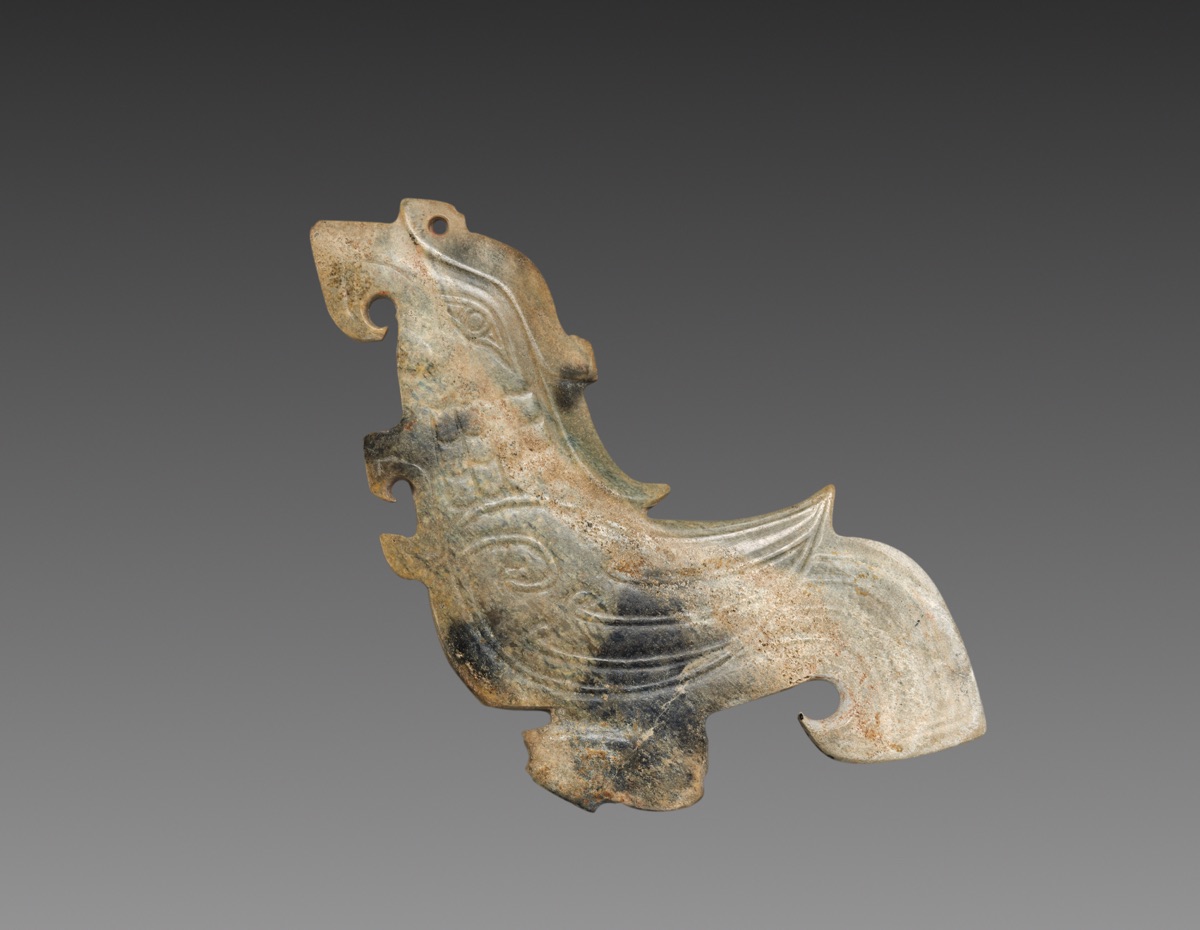
Jade Bird Pendant
A nephrite pendant carved in the shape of a bird, from the early generations of Western Zhou rule.
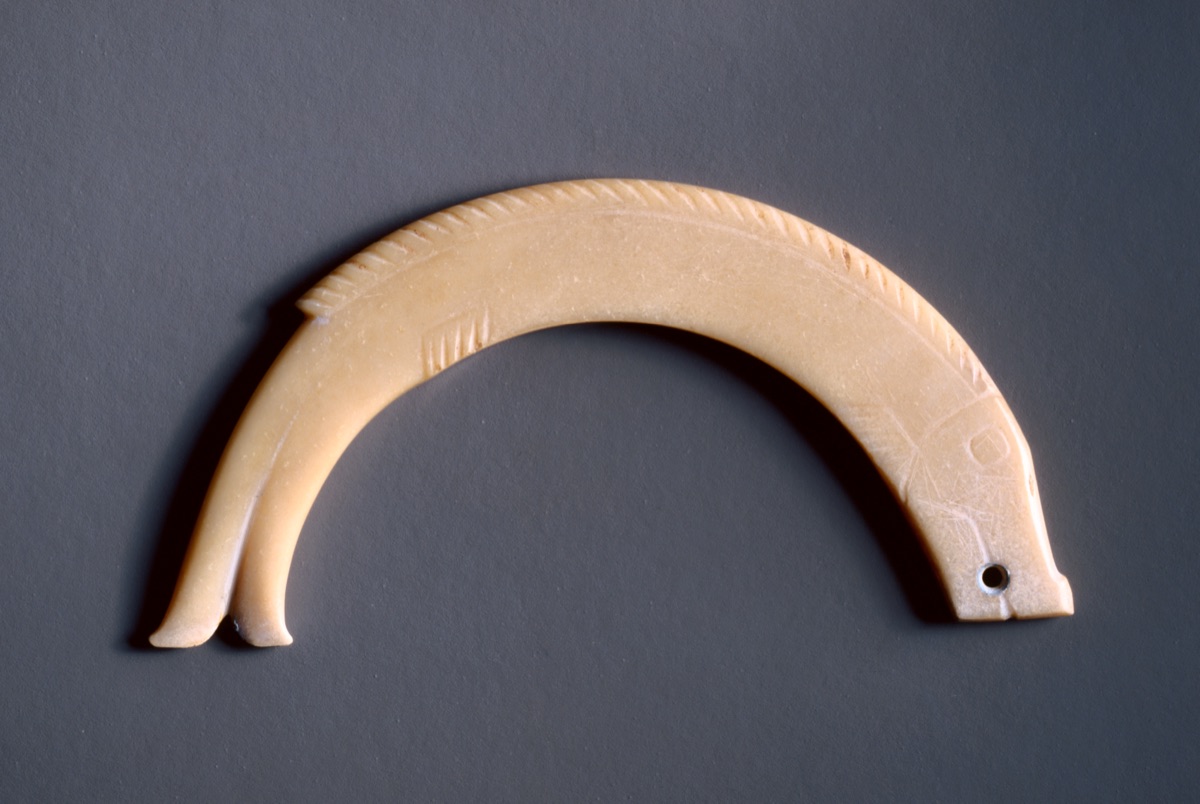
Arc-Shaped Jade Fish Pendant
A nephrite pendant carved as an arcing fish, part of the Western Zhou taste for animal-form jades worn as personal ornament.
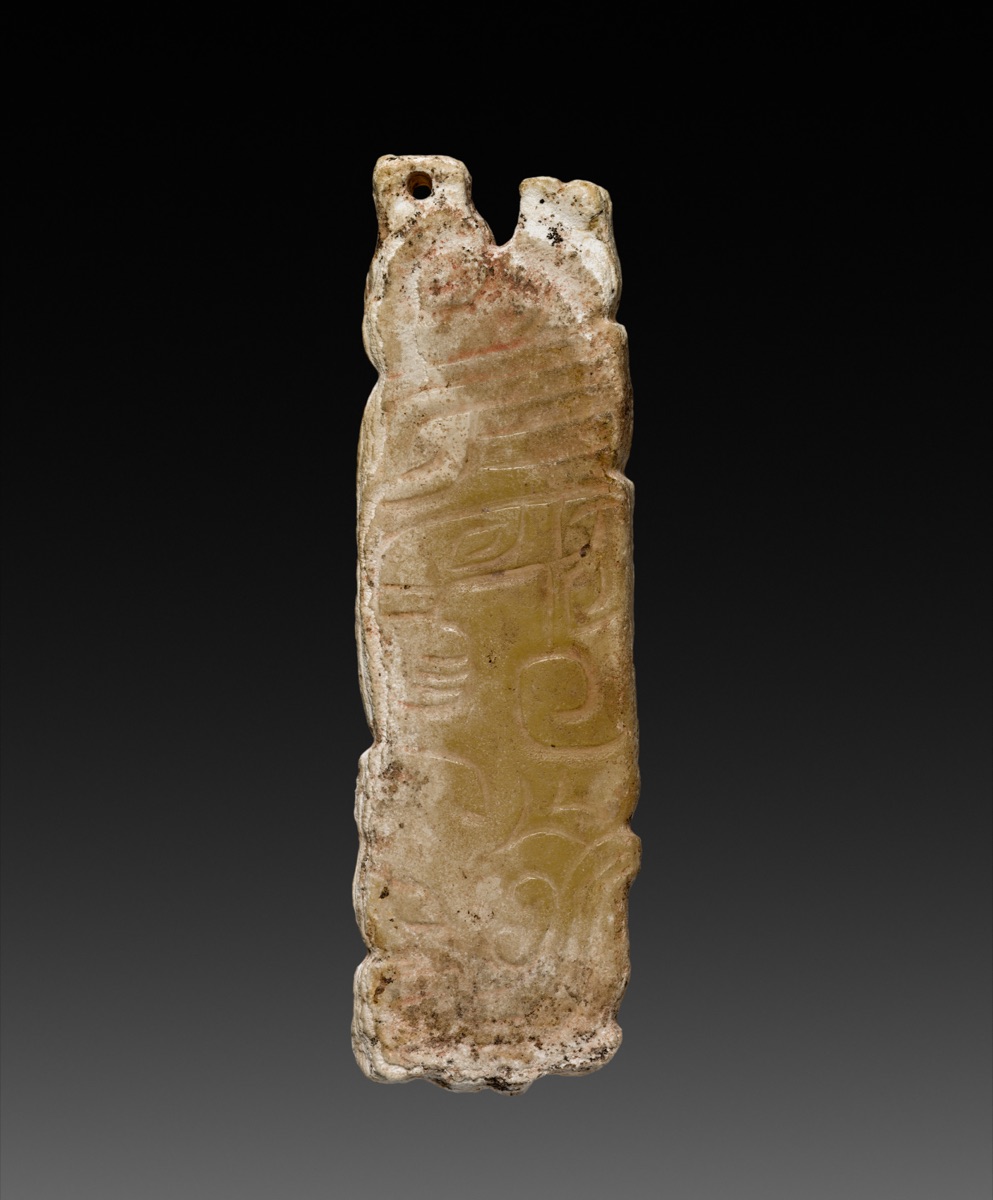
Plaque
A small carved calcite plaque with a single suspension hole, likely worn as a pendant rather than sewn to cloth or leather.
New this century
- Psalms
Israel prays in every register at once, lament beside praise in the same anthology, because worship must hold complaint and gratitude together rather than choosing between them.
- Yasna
The Yasna asserts that the created world is sustained through exact liturgical exchange, offerings of Haoma, fire, and precisely recited praise, conducted between worshippers and Ahura Mazda's court of divine beings.
- Yashts
The Yashts argue that Ahura Mazda's created order is upheld by many distinct worshipful divine beings, Mithra, the waters, the sun, guardian spirits, personified virtues, who reward with victory and prosperity those who invoke them correctly.
- Videvdad (Vendidad)
The Videvdad asserts that death and decay are weapons of the hostile spirit Angra Mainyu, and that meticulously regulated ritual purity, above all the disposal of corpses and correct purification from pollution, is the primary human defense of a good creation.
- Book of Songs
A ruler can be read through the songs his people sing and the rites his court performs, so collecting and studying poetry is itself a technique of moral and political judgment.
- Book of Documents
Good rule is legible in the recorded speeches and edicts of the sage kings, so a ruler who wants to govern well should study exactly what Yao, Shun, Yu, and the Zhou founders said and did, not merely what later tradition says about them.
The canon by now
- Pyramid Texts
- Royal Inscriptions of Sargon of Akkad
- The Exaltation of Inanna
- The Curse of Agade
- Coffin Texts
- Admonitions of Ipuwer
- Eloquent Peasant
- Code of Hammurabi
- Old Babylonian Gilgamesh (Pennsylvania and Yale Tablets)
- Inanna's Descent to the Netherworld
- Edwin Smith Surgical Papyrus
- Book of the Dead
- Rigveda
- Baal Cycle
- Ludlul Bel Nemeqi
- Epic of Gilgamesh
- Instruction of Amenemope
- Gathas